There are days at sea that call for just one thing: getting out there. Sailing to a cove, putting on your diving goggles, floating above an interesting seabed and returning on board with the feeling that you’ve experienced more than an afternoon on the sofa could ever offer. If recreational fishing comes into the picture too, the day takes on an epic quality… along with quite a few variables that shouldn’t be treated as mere window dressing.
The tropical allure is irresistible: islands, reefs, crystal-clear water and the sort of horizon that makes you consider leaving your bills behind for good. But a well-organised adventure doesn’t depend on being right next to the Great Barrier Reef. The Mediterranean coast offers coves, rocky seabeds, marine reserves and superb sailing routes, provided you play it safe. The sea has a short memory when it comes to recklessness and a magnificent ability to turn an impromptu plan into a story nobody wanted to tell.
One day, three activities and a plan that isn’t a Sudoku puzzle
Combining jet-skiing, snorkelling or diving and recreational fishing works best when you understand one basic thing: not everything has to happen in the same spot or with the same intensity. Boating is about getting from A to B and enjoying the journey; diving requires calm conditions, good visibility and a suitable spot; fishing demands knowledge of the rules, the species and the local conditions.
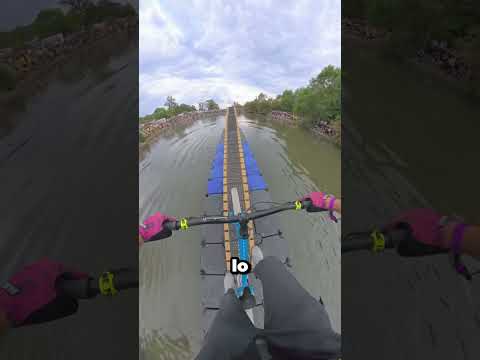
The most sensible approach is to plan the day in reverse. First, set a cut-off time for your return and check a reliable marine forecast: wind, swell, storms, visibility and expected conditions. Then choose a sheltered area for swimming or snorkelling and allow plenty of time to get back if the weather changes. In the video that inspired this suggestion, the group decides against extending their first trip as the wind picks up and saves the longer crossing for better conditions. It’s not a very cinematic decision, no; but it’s also the sort of decision that means you can still have adventures the following week.
For a trip lasting several hours, it’s a good idea to have a simple itinerary: departure point, sailing area, sheltered alternative route, return time and a contact on land who knows where you are. Sailing without a plan might sound liberating. It also sounds a bit like panicking when your battery runs out.
The jet ski: a great ally for sailing, a poor excuse for speeding
A jet ski offers agility and an adrenaline rush, but it is no substitute for a support boat on a complex dive. It’s an excellent option for coastal routes, carefully planned snorkelling stops and enjoying recreational boating, whilst always respecting designated swimming areas, authorised channels and maintaining a safe distance from other people and vessels.
Before setting off, check your fuel, ensure all occupants are wearing approved lifejackets, check for a tow rope or safety line if required, ensure you have a waterproof communication device, drinking water, sun cream and a small waterproof bag containing your documents and mobile phone. The skipper’s safety lanyard isn’t just a fashion accessory: always wear it.
You also have to accept a rather unglamorous limitation: space. Packing two people, flippers, a mask, a snorkel, towels, a cool box, fishing rods and half a nautical bazaar on board is a sure-fire way to defy the laws of physics. If your plans include fishing and a long dive, a licensed boat, a guided excursion or splitting the activities over two trips can be much more comfortable and safer.
Snorkelling and diving: the beauty begins before you dip your face in the water
Snorkelling seems like the easy part of the day, until a gentle current carries you away from the cove, a motorbike passes too closely, or tiredness takes its toll. You should never do it on your own. Use a marker buoy where appropriate, stay visible, enter and exit via safe areas, and don’t venture further out than you can comfortably swim back.
The golden rule is simple: if conditions aren’t right, don’t dive. Poor visibility, swell, heavy maritime traffic or unsettled weather can turn even the most beautiful seabed into a place best left for another day. Marine life isn’t offended by a cancellation; it has enough to cope with just surviving our splashing about.
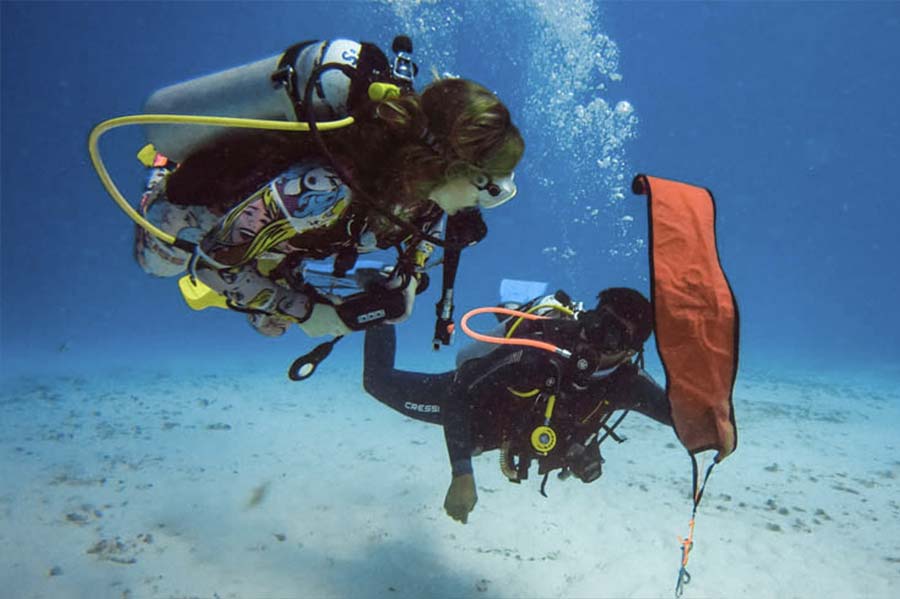
For scuba diving, the standards are even higher. You need proper training, dive planning, a buddy, air management and strict adherence to your own limits and those of the environment. A jet ski should not be used as a makeshift platform for a scuba diving operation. The sensible thing to do is to go to an authorised centre or ensure you have the support and resources required for the activity in each area.
Recreational fishing: enjoying the catch without turning the sea into a supermarket
Fishing from a boat or during an adventure trip has a special charm: you see the water in a different light, you learn to read the currents and, with a bit of luck, you bring home a legal catch. But recreational fishing isn’t just a case of ‘casting your line and seeing what happens’. Before setting out, check the required licence, closed seasons, minimum sizes, quotas, permitted gear and areas where fishing is prohibited. These conditions may vary depending on the autonomous community, the species and the protected area.
Identifying your catch is important. If you don’t know what species it is or whether it meets the minimum size requirement, the responsible thing to do is to return it to the water with as little harm as possible. Keep a local species guide to hand, measure carefully and avoid handling the fish unnecessarily. Spearfishing, for its part, requires even greater caution: it is not practised with a scuba tank, requires knowledge of the applicable regulations and must never be carried out near swimmers, boaters or unauthorised areas.
A cool box can be useful for storing a permitted catch, but it should not be the measure of a successful day. Sometimes the sea rewards you with a good bite; other times, a memorable dive and no catch at all. Both count.
The Mediterranean also offers adventure
Barcelona and the Catalan coast offer alternatives that are very different from the stereotypical image of a tropical island, but no less exciting for that. A guided jet-ski tour allows you to see the coastline from a different perspective; a snorkelling trip to the coves of the Costa Brava opens the door to Posidonia meadows, rockfish and underwater landscapes that are best explored at a leisurely pace. For diving, specialist centres help you choose sites suited to your level and the actual conditions on the day.
Anyone looking to go recreational fishing should find out about authorised areas and the protection of sensitive habitats before setting sail. Marine reserves, Posidonia meadows and certain coastal areas are not simply a marine backdrop to be used as one pleases: they are fragile habitats and, precisely for that reason, they are often the places that make a day on the water special.
The best adventure isn’t the one that ticks off the most activities on a list, but the one that leaves time to look around, return at a leisurely pace and leave no trace behind except your wake. Sailing, diving and fishing can all be part of the same day; safety and respect for the sea must always be part of it too.